Trying to choose between a high-rise condo and a townhome in Downtown Austin? It is a smart question, because the right fit is not just about square footage or style. In a dense, fast-evolving urban core, your daily lifestyle, maintenance responsibilities, and resale experience can look very different depending on the property’s legal structure, amenities, and exact block. This guide will help you compare both options in practical terms so you can make a confident Downtown Austin decision. Let’s dive in.
Downtown Austin Shapes the Decision
Downtown Austin is built for density, walkability, and mixed-use living. The city’s Downtown Density Bonus Program supports added height and density in exchange for streetscape, green-building, and urban-design commitments, which helps explain why housing in the core often trades private land and yard space for location and shared infrastructure.
That tradeoff matters when you compare a high-rise condo with a townhome. In many parts of Downtown Austin, you are choosing between a more vertical, amenity-rich living experience and a more house-like attached home. Neither is automatically better. The better choice depends on how you want to live and what responsibilities you want to take on.
It also helps to remember that downtown is not one uniform market. The 2nd Street District was built as a dense, walkable urban district with residences, jobs, and retail, while other downtown subareas can feel different block by block.
High-Rise Condo Basics
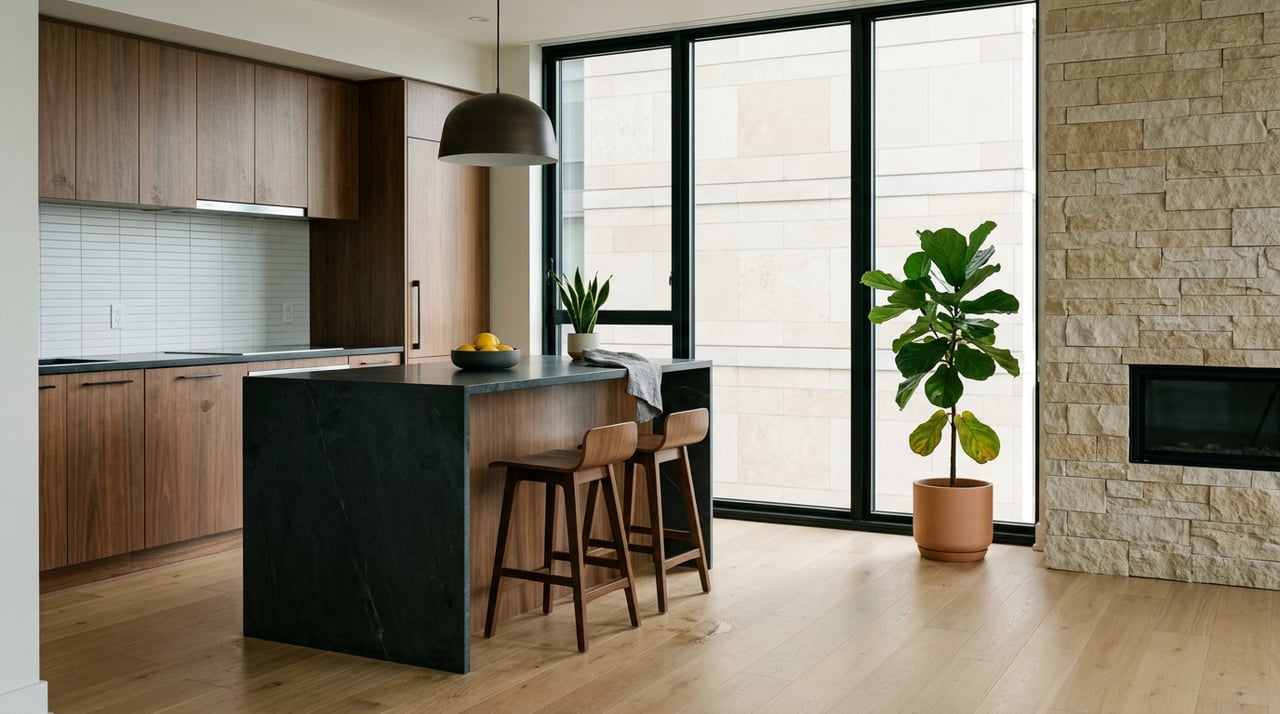
A high-rise condo usually appeals to buyers who want a true urban lifestyle. You may get features like secured entry, shared amenities, views, and a lock-and-leave setup with less exterior maintenance to worry about.
In Downtown Austin, high-rise condos are closely tied to the city’s vertical growth pattern. They tend to be concentrated in the most urban parts of the core, where convenience and shared building infrastructure often matter more than private outdoor space.
For many buyers, the biggest draw is simplicity. If you want downtown access, building amenities, and minimal exterior upkeep, a condo often checks those boxes better than a townhome.
Townhome Basics
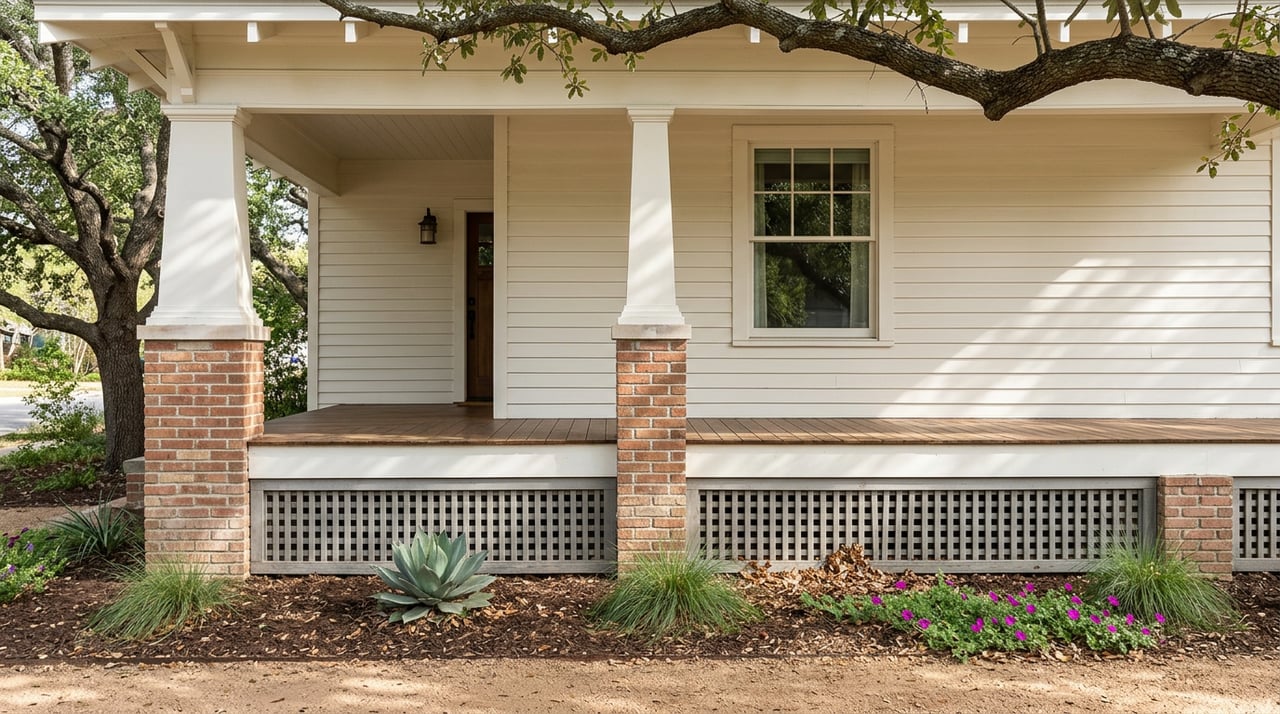
A townhome often feels more like a traditional home, even in an attached setting. You may have direct entry, fewer shared vertical circulation points, and a little more separation from neighbors than you would in a tower.
That difference can be meaningful in daily life. If you value privacy, more independence, and a layout that feels closer to a house, a townhome may be the stronger fit.
Still, the label alone does not tell the full story. In Austin, a property marketed as a townhome can still have association rules, shared costs, and maintenance obligations that vary by project.
The Legal Structure Matters More Than the Label
This is one of the most important things to understand before you buy. In Austin market reporting, attached housing can include condos, townhomes, and duplexes, and a condo is an ownership model, not just a building style.
That means a townhome is not automatically fee-simple ownership with full control over land and exterior elements. As the city’s housing materials note, the deed, plat, and association documents matter more than the marketing description. TREC also makes this distinction in its forms, including the residential condominium contract guidance.
If you are comparing two attached homes in Downtown Austin, do not stop at the brochure. You want to know exactly what you own, what the association maintains, and what financial obligations come with the property.
HOA and Maintenance Differences
For condominiums, Texas Property Code Chapter 82 generally places maintenance, repair, and replacement of common elements on the association, while the unit owner is responsible for the unit itself. On resale, the seller must provide documents like the declaration, bylaws, association rules, and a current resale certificate.
That resale certificate is important because it can reveal periodic assessments, unpaid special assessments, reserves, insurance coverage, lawsuits, judgments, and other financial details. In a high-rise building, those items can have a major impact on both your monthly costs and your long-term risk.
Townhomes often come with a different paperwork trail. TREC uses a separate addendum for mandatory property owners association membership and separate resale forms for those properties, which ask about assessments, judgments, and possible rights of first refusal.
The practical takeaway is simple: a townhome may feel more independent, but your actual obligations still depend on the governing documents. Before you buy, you need to verify what the HOA covers and what stays on you.
Lifestyle Tradeoffs to Consider
If you are deciding between a high-rise condo and a townhome, your day-to-day preferences should lead the conversation.
A high-rise condo may be the better fit if you want:
- A stronger amenity package
- A lock-and-leave lifestyle
- Minimal exterior maintenance
- A more urban, vertical living environment
- Potentially stronger view-oriented appeal
A townhome may be the better fit if you want:
- More privacy
- Direct entry
- A more house-like feel
- Fewer shared building spaces
- A layout that feels more residential
In Downtown Austin, many buyers assume this is only a style decision. It is really a control-versus-convenience decision too. The more services and shared features a property offers, the more important it becomes to understand the association’s rules and financial health.
Micro-Location Can Matter as Much as Property Type
In downtown, one block can change the feel of your home search. The Downtown Austin Alliance describes downtown as the region’s densest, most walkable, and most vibrant center, but the experience is still shaped by subdistrict and street-level context.
For example, a Downtown Austin Alliance market analysis found that the southern half of the Innovation District currently has more open space and entertainment corridors, while the northern half has fewer amenities today but planned public-space improvements such as Waterloo Park and the expanded Capitol lawn.
That matters because the same buyer might prefer a high-rise in one part of downtown and a townhome in another. If your priority is being close to entertainment and existing activity, one micro-location may stand out. If you are thinking longer term and want to weigh planned public-space improvements, another may deserve a closer look.
Resale Potential in Downtown Austin
Downtown attached housing has shown strong long-term price growth. A City of Austin memo tracking downtown attached-housing sales reported average close price rising from $266,628 in 2005 to $895,611 by June 2021, while average price per square foot rose from $212 to $675. The same general trend is reflected in downtown condo pricing, with the city memo showing substantial appreciation over time.
That said, resale is not just about the market. Building quality, HOA health, amenities, and price segment all shape how a property performs.
A well-managed tower with strong views and amenities may command a premium, but the super-luxury condo segment can also have a narrower buyer pool. A townhome may attract buyers looking for a more conventional attached-home experience, especially if the ownership structure and maintenance setup are easy to understand.
Best Due Diligence Questions
Whether you are buying a condo or a townhome, these are some of the most important questions to answer before moving forward:
- What exactly does the association maintain?
- How strong are the reserves?
- Are there any current or upcoming special assessments?
- What does the insurance coverage include?
- Is the association involved in litigation?
- Are there transfer restrictions or rights of first refusal?
- Does the ownership structure match the marketing label?
For condos, pay especially close attention to the resale certificate’s budget, reserve, assessment, and insurance fields. For townhomes, review the mandatory-membership documents and subdivision resale materials with the same level of care.
A Simple Decision Framework
If you want the shortest path to clarity, start here.
Choose a high-rise condo if your top priorities are downtown location, views, amenities, and the lowest exterior-maintenance burden. This option often works best if you want convenience and are comfortable with a more shared living environment.
Choose a townhome if your top priorities are privacy, direct entry, and a more house-like lifestyle. This option often works best if you want more separation and a living experience that feels less like a tower.
In either case, let the documents lead the decision. In Downtown Austin, the legal structure, HOA budget, maintenance responsibilities, and micro-location usually matter more than the label on the listing.
If you want help comparing specific buildings, reviewing tradeoffs by subdistrict, or narrowing your search based on how you actually live, the team at Walker Residential Group can help you evaluate Downtown Austin options with a clear, data-informed approach.
FAQs
What is the main difference between a high-rise condo and a townhome in Downtown Austin?
- A high-rise condo usually offers more amenities and less exterior maintenance, while a townhome usually offers more privacy, direct entry, and a more house-like feel.
Why does legal structure matter when buying a Downtown Austin townhome or condo?
- Because the marketing label does not tell you exactly what you own or what the HOA maintains. The deed, plat, and association documents provide the real answer.
What HOA documents should you review for a Downtown Austin condo?
- You should review the declaration, bylaws, association rules, and resale certificate, which can show assessments, reserves, insurance, and other financial details.
What should you review for a Downtown Austin townhome with an HOA?
- You should review the mandatory-membership association addendum and the related resale and subdivision documents to understand fees, restrictions, and obligations.
How does micro-location affect a Downtown Austin condo or townhome purchase?
- Different downtown subdistricts offer different levels of open space, entertainment access, and planned public improvements, so location can shape daily lifestyle as much as the property type itself.
Are Downtown Austin condos a strong long-term investment?
- Downtown attached housing has shown strong historical price growth, but resale potential still depends on factors like building quality, HOA health, amenities, and price segment.