Wondering why your downtown Austin condo is not getting the attention you expected? In this market, selling a condo is not just about putting it online and waiting for the right buyer. You need a strategy that matches how downtown buyers shop, compare buildings, and weigh monthly costs. If you want to sell with fewer surprises and a stronger negotiating position, the right preparation makes all the difference. Let’s dive in.
Understand the downtown condo market
Downtown Austin is its own condo submarket, not just another part of the city. The Downtown Austin Alliance reports about 15,300 residents, 133,000 employees, and an average daily pedestrian count of 158,265 in the first quarter of 2026. That level of activity creates strong visibility, but it also means buyers have plenty of options and high expectations.
Sellers also need to pay attention to timing. Downtown condo units averaged 123 days on market in 2024, which signals a slower and more selective environment than many owners remember from the peak years. In the broader Austin-Round Rock-San Marcos market, inventory reached 5.5 months in the first quarter of 2026, so pricing and presentation need to work together from the start.
There is also more competition on the horizon. The Downtown Austin Alliance tracked six projects under construction and 21 more planned or proposed in early 2026. That future supply makes resale condos compete on more than square footage alone.
Know what downtown buyers compare
When buyers look at downtown condos, they are not only comparing interiors. They are comparing the full package, including the building, amenities, parking, views, and monthly ownership costs. Your unit needs to stand out in all of those areas.
In this submarket, buyers often focus on features like floor-to-ceiling windows, skyline or lake views, parking spaces, EV charging, concierge service, pool access, fitness areas, dog amenities, and shared work or lounge spaces. They also pay attention to building reputation and how easy daily life feels in that location.
That means your condo is being judged in context. A nicely updated interior helps, but it may not carry the listing if the pricing is off or if buyers cannot easily understand the lifestyle your building offers.
Price from current reality
One of the biggest mistakes condo sellers make is pricing based on old peak-market expectations. In a downtown market where average days on market stretched to 123 in 2024, an aggressive launch price can make your listing go stale. Once that happens, price reductions often become harder to avoid.
The better approach is to anchor your pricing to current same-building and nearby competing inventory. Buyers shopping downtown often compare multiple towers and older condo buildings in the same search window. A clean, data-backed price point gives you a better chance to generate early interest and stronger leverage.
This is where negotiation starts before you receive an offer. A disciplined pricing strategy helps attract serious buyers while protecting you from unnecessary time on market.
Prep the condo to show scale
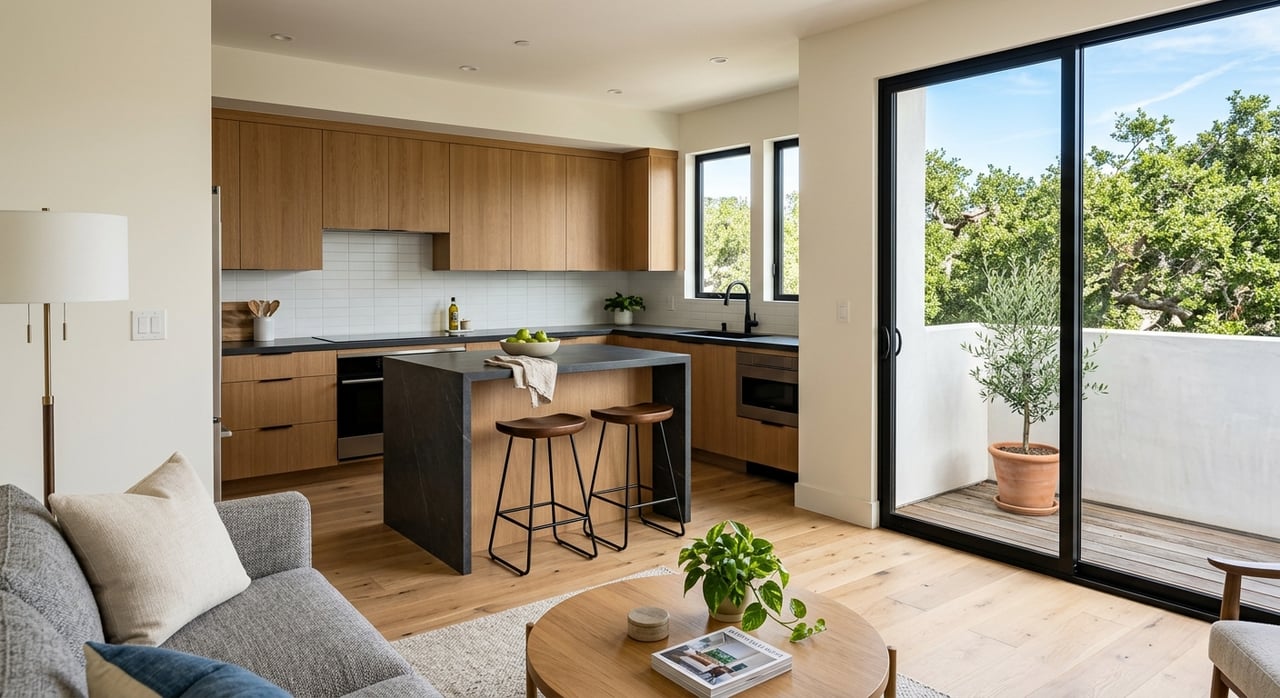
Smaller and mid-size condos can be difficult for buyers to judge online. That is why staging matters so much in downtown Austin. Buyers want to understand how the space lives, where furniture fits, and whether the layout feels comfortable day to day.
According to the National Association of Realtors' 2025 Profile of Home Staging, 83% of buyers' agents said staging made it easier for buyers to visualize a property as a future home. The most commonly staged rooms were the living room, primary bedroom, and dining room. That matters in condos, where every room needs to feel functional and intentional.
Staging does not always mean a full redesign. It often starts with the basics:
- Clean thoroughly
- Declutter surfaces and storage areas
- Depersonalize the space
- Complete minor repairs
- Use furniture that fits the room scale
- Add simple accessories that define how each area is used
If your condo is vacant, thoughtful staging or virtual staging can help buyers understand the layout. Empty rooms often look smaller in photos, which can work against you in a market where buyers compare many listings side by side.
Invest in strong photography
In downtown Austin, your photos do a lot of the selling before a showing ever happens. Buyers often sort through towers, floor plans, and price points quickly, so your online presentation has to communicate value right away.
The best listing photography for a downtown condo should highlight:
- Natural light
- Room scale and layout flow
- Floor-to-ceiling windows
- Balcony use
- Skyline or lake views
- Storage areas
- Parking benefits
- Amenity access
Photos should also tell the story of the building, not just the unit. If your property includes amenities that matter to buyers, they should be clearly presented. Resort-style pools, fitness spaces, concierge service, conference rooms, dog areas, and EV charging are all features that buyers are actively comparing.
Explain the monthly cost picture clearly
Downtown condo buyers do not focus only on the list price. They also look closely at monthly carrying costs. HOA dues, parking arrangements, utilities covered by the association, and any upcoming building expenses can shape how a buyer views affordability.
Some downtown listings highlight that HOA dues may cover items like water, sewer, electricity, or trash. That kind of detail matters because buyers are trying to calculate the real monthly cost of ownership. If those details are clear upfront, you can reduce confusion and create smoother conversations later.
A strong listing position includes a simple and accurate explanation of:
- HOA dues
- What the dues cover
- Parking rights
- Storage access, if applicable
- Any known unpaid assessments or fees
- Building rules that commonly affect ownership or leasing
Clear information helps serious buyers feel informed. It can also reduce contract friction once offers start coming in.
Get condo documents ready early
Downtown condo sales come with a document stack that deserves early attention. In Texas, condo resale transactions use condo-specific paperwork, including the TREC Residential Condominium Contract (Resale) and the Condominium Resale Certificate.
Under Texas law, before executing a contract or conveying the unit, the owner must furnish the purchaser a current copy of the declaration, bylaws, association rules, and a resale certificate prepared no earlier than three months before delivery. The association must provide the signed certificate within 10 days of a written request.
This is one of the most important steps you can take before listing. If you wait until you are under contract to start chasing documents, you may lose time and negotiating power.
The resale certificate includes key details such as:
- The association’s current operating budget
- Current periodic common expenses
- Unpaid common or special assessments
- Other unpaid fees
- Approved capital expenditures for the next 12 months
- Reserve balances
- Any right of first refusal or transfer restraint
If the buyer has not received the certificate before contract, the buyer may cancel before the sixth day after receiving it or a waiver. That is a big reason to prepare early and stay organized.
Do not overlook seller disclosures
Texas Property Code Section 5.008 requires a written seller’s disclosure notice for qualifying residential property, and the TREC form makes clear that the notice reflects your knowledge of the property’s condition. It is not a warranty and it does not replace inspections.
For condo sellers, this means honesty and completeness matter. If there are known issues with the unit, systems, repairs, or past water intrusion, those should be handled carefully and accurately through the proper disclosure process. Surprises late in the deal can slow a transaction or weaken your position.
You should also confirm whether any public improvement district notice applies. Texas Property Code Section 5.014 requires notice for property in a public improvement district, and the Downtown Austin Alliance notes that the downtown DPID is funded by an assessment on property improvements above $500,000.
Market the downtown lifestyle
A downtown condo listing should sell more than the walls inside your unit. Buyers are choosing a home, a building, and a location all at once. Your marketing should reflect that full picture.
For many downtown buyers, lifestyle anchors shape the decision. Current listings often highlight access to places such as the Market District, Trader Joe’s, Republic Square, the Hike & Bike Trail, Lady Bird Lake, and downtown’s entertainment and employment core. These details help buyers picture how the condo fits their daily routine.
The most effective marketing usually combines:
- Sharp photography
- Clear pricing
- Accurate monthly cost information
- Amenity-focused listing copy
- Strong presentation of views, light, and layout
- Building and location context that matters to buyers
This approach works especially well in a dense urban market where buyers may be relocating, downsizing, or moving from another Austin neighborhood.
Prepare for condo-specific negotiations
Condo negotiations often include issues that do not come up in the same way with single-family homes. Buyers may ask detailed questions about reserves, special assessments, parking rights, repair responsibilities, and association rules. If those questions are not answered quickly, momentum can fade.
That is why preparation matters as much as presentation. When you have documents ready, costs clearly explained, and your condo positioned correctly against the competition, you are more likely to negotiate from strength.
In a market like downtown Austin, the goal is not just to get listed. The goal is to launch with a plan that supports pricing, buyer confidence, and a cleaner path to closing.
If you are thinking about selling your downtown condo, the right strategy can help you avoid delays, reduce guesswork, and compete more effectively in a selective market. The team at Walker Residential Group brings neighborhood insight, pricing discipline, concierge-level prep, and negotiation-focused guidance to help you sell with confidence.
FAQs
How long does it take to sell a condo in downtown Austin?
- Downtown Austin condo units were on the market an average of 123 days in 2024, so sellers should plan for a more selective pace than during the peak market years.
What documents do you need to sell a condo in Texas?
- For a Texas condo resale, sellers should be prepared to provide association documents such as the declaration, bylaws, rules, and a current resale certificate, along with required seller disclosures.
Why is pricing so important for a downtown Austin condo?
- Buyers often compare multiple downtown buildings and resale units at once, so a well-supported price can help generate early interest and reduce the risk of the listing sitting too long.
What do buyers care about most in a downtown Austin condo?
- Buyers often compare views, parking, building amenities, HOA costs, natural light, layout, and the overall reputation and lifestyle of the building.
Should you stage a downtown Austin condo before listing it?
- Yes, staging can help buyers understand room scale and layout, which is especially important in condos where space and furniture placement can be harder to judge online.
What is in a Texas condo resale certificate?
- A Texas condo resale certificate includes details such as current common expenses, unpaid assessments, reserve balances, the operating budget, approved capital expenditures, and certain transfer-related restrictions.