If you want a neighborhood that feels tucked into nature but still keeps South Congress within easy reach, Travis Heights deserves a close look. This part of South Austin blends historic residential character, creekside green space, and quick access to one of the city’s most active commercial corridors. If you are wondering what it is really like to live here, this guide will walk you through the housing mix, outdoor lifestyle, location benefits, and what historic status means in practice. Let’s dive in.
Why Travis Heights Stands Out
Travis Heights sits just south of Lady Bird Lake and across from downtown, giving you a close-in location with a distinctly residential feel. The National Register historic district covers about 353 acres, stretching roughly from Edgecliff Terrace near the lake to the south side of East Live Oak Street, and from the east side of South Congress Avenue to the east side of Kenwood Avenue.
What makes the neighborhood especially appealing is its balance. It is primarily residential, with the National Register nomination noting that 76% of the district’s resources are traditional single-family dwellings. At the same time, you are next to the South Congress business district, which the city defines as running from Live Oak to Riverside Drive.
South Congress Is Right Next Door
One of the biggest lifestyle draws of Travis Heights is how close you are to South Congress, often called SoCo. Because the neighborhood borders this corridor, you can realistically enjoy easy access to shopping, dining, live music, and everyday people-watching without needing to cross town.
That location gives you a rare mix of quiet residential streets and immediate access to activity. If you value being near local businesses and entertainment while still coming home to a neighborhood setting, Travis Heights checks that box in a very Austin way.
Homes in Travis Heights
If you are expecting one uniform look, Travis Heights may surprise you. The area developed in phases, starting with Swisher’s Addition in 1877, followed by Fairview Park in 1886, and then Travis Heights proper in 1913 after streetcar service extended south of the river, according to Historic Travis Heights.
Because it grew in layers, the neighborhood has a varied street pattern and a wide range of lot sizes. Historic Travis Heights notes that Fairview Park was planned as a garden suburb with large lots, utilities, and curving streets shaped by hills and creeks, while later sections of Travis Heights mixed grid and curving streets.
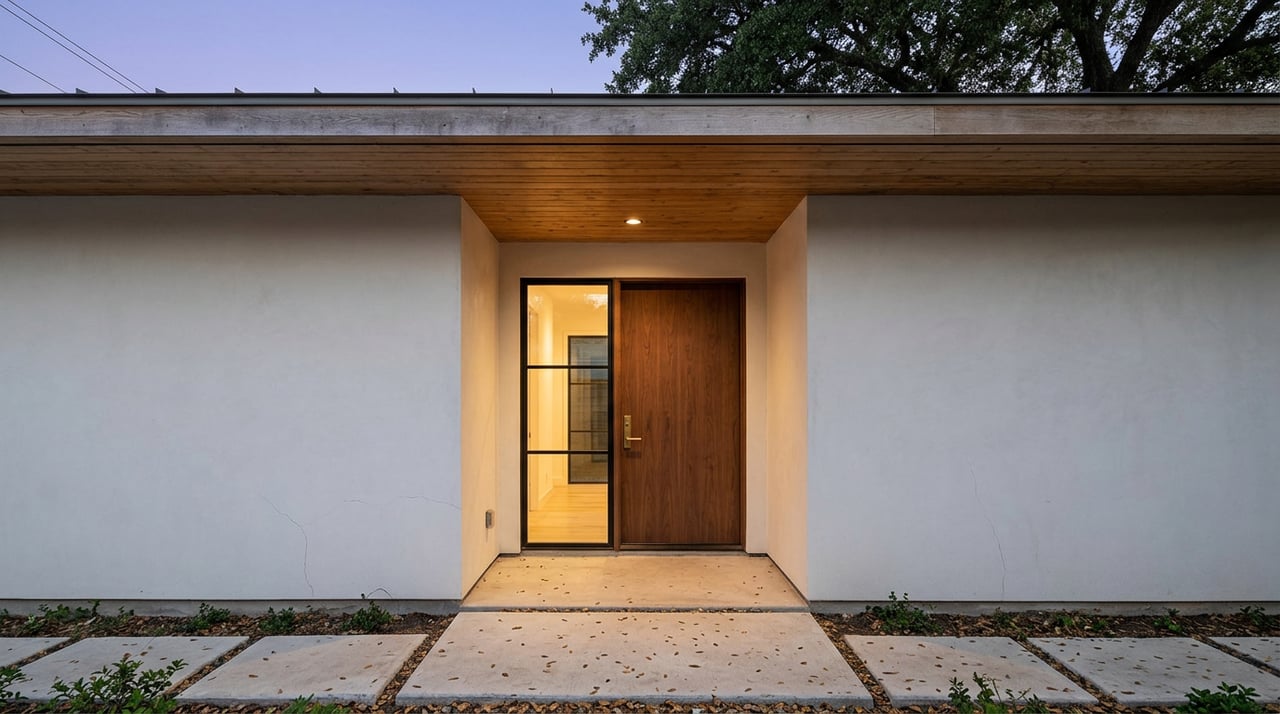
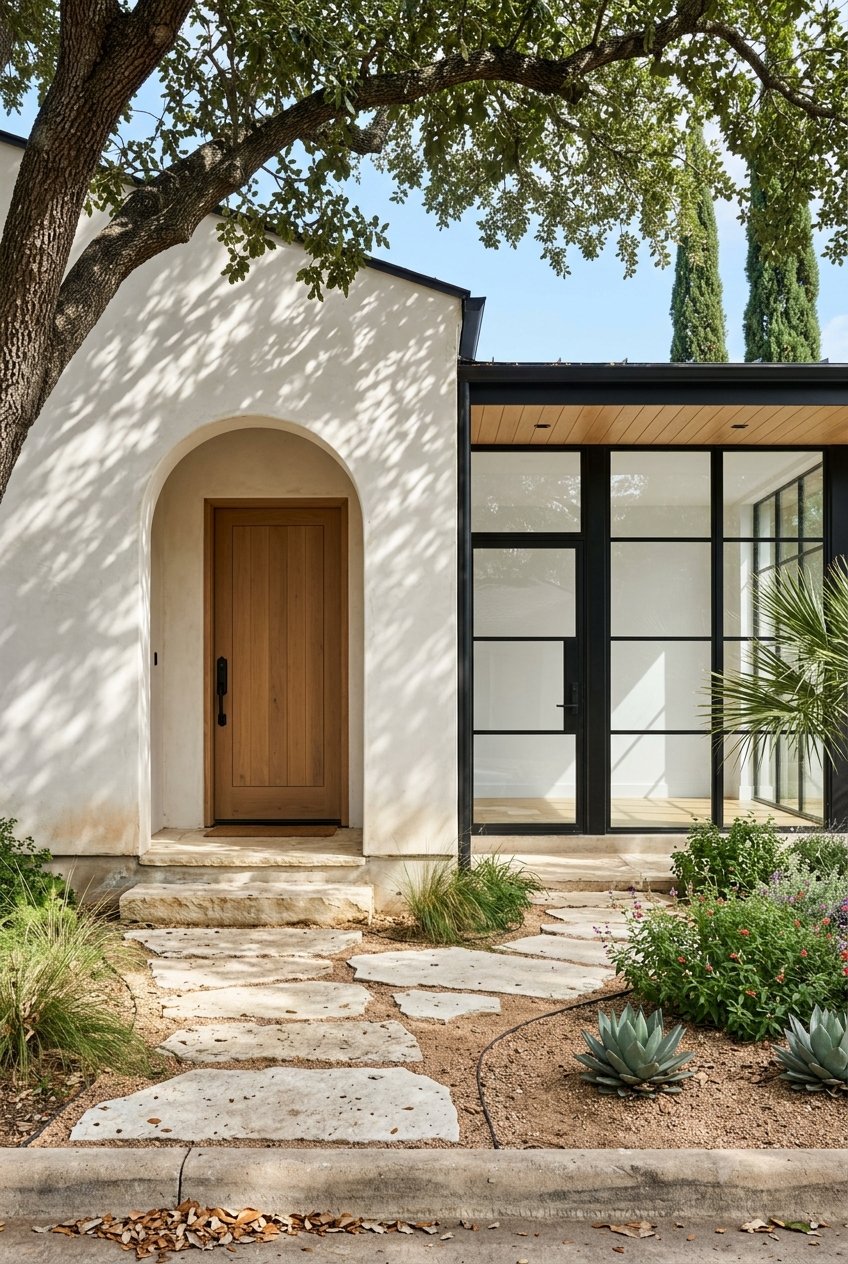
That layered development shows up in the homes you see today. The neighborhood association describes architecture ranging from late-1880s Victorians through 1970s Mid-Century Modern homes, while the National Register nomination identifies styles such as Queen Anne, Folk Victorian, Craftsman bungalow, Period Revival, Minimal Traditional, and Ranch Style houses.
In practical terms, that means you can find a broader housing mix here than in neighborhoods that are known for just one era or style. Travis Heights is not a single-style enclave. It is a neighborhood where different periods of Austin’s residential history sit side by side.
A Leafy, Hilly Feel
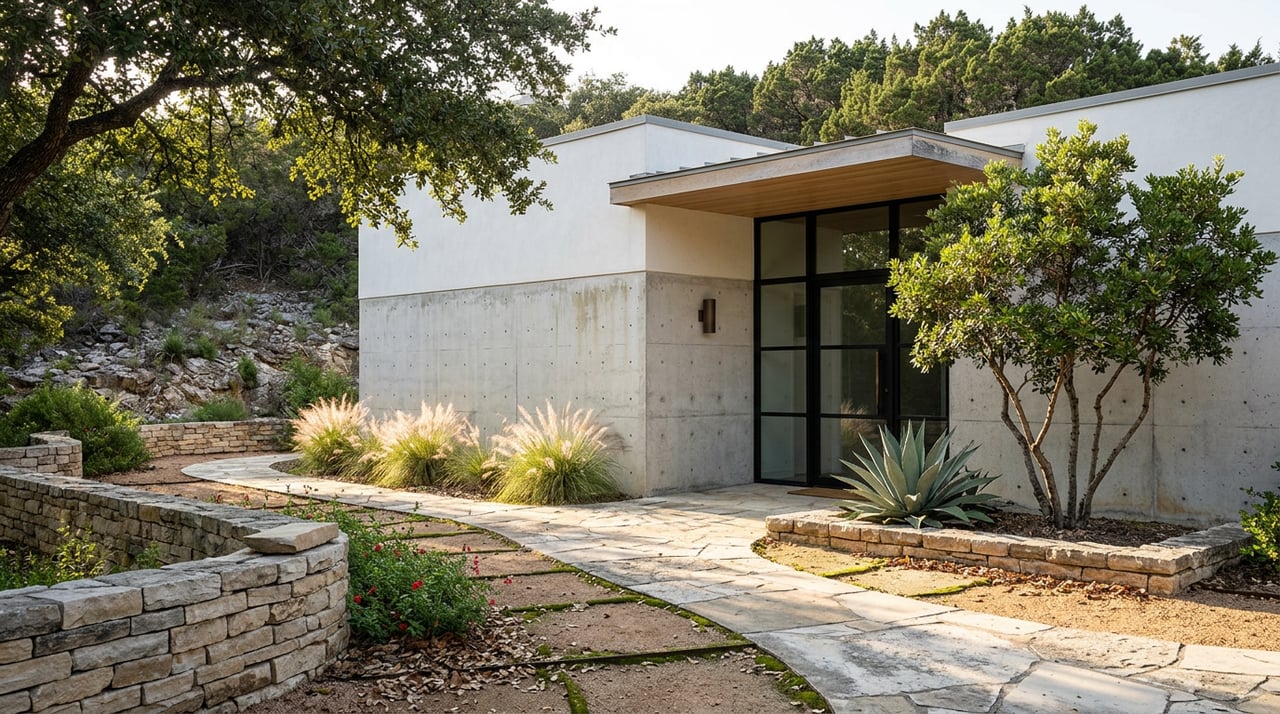
Another defining feature of Travis Heights is its terrain. The neighborhood is widely understood as leafy and hilly, and that physical character shapes both the streetscape and the lifestyle.
Curving roads, mature trees, and creek corridors help the area feel distinct from flatter grid neighborhoods nearby. If you like neighborhoods with a little topography and a stronger sense of natural setting, that is part of the appeal here.
Parks and Green Space Nearby
Outdoor access is not just a bonus in Travis Heights. It is part of the neighborhood’s identity. The City of Austin park directory lists several nearby green spaces, including Big Stacy Neighborhood Park at 700 E Live Oak Street, Little Stacy Neighborhood Park at 1500 Alameda Drive, Blunn Creek Greenbelt at 1901 East Side Drive, and Blunn Creek Nature Preserve at 1200 St. Edwards Drive.
These spaces are more than dots on a map. Historic and city sources show that the creek corridor and park system are closely tied to the neighborhood’s development and daily use.
Big Stacy Park and Pool
Big Stacy Neighborhood Park is 4.459 acres and includes one of the neighborhood’s best-known amenities. The city’s current asset inventory notes that Big Stacy includes a neighborhood pool with wheelchair access and indoor showers and changing areas.
The same city inventory also notes that Big Stacy Pool is free to enter. For many buyers, that kind of nearby public amenity adds everyday value, especially during Austin’s warmer months.
Little Stacy Park Features
Little Stacy Neighborhood Park covers 6.7793 acres and offers a broad mix of recreation features. According to the city’s current inventory, Little Stacy includes playground areas, a basketball court, a full tennis court, a pickleball court, a hillside slide, a wading pool, and restrooms.
Historic Travis Heights materials also describe Little Stacy as heavily wooded and located at a horseshoe bend of Blunn Creek. That setting helps explain why the park feels like a real part of the neighborhood fabric instead of a stand-alone amenity.
Blunn Creek Trails and Preserve
If you want a more natural outdoor experience, the Blunn Creek Nature Preserve adds another layer. The preserve includes a public 1-mile trail with rolling hills, creek crossings, and a volcanic scenic overlook.
The nearby greenbelt connects the Stacy parks along the creek corridor, reinforcing how much Travis Heights is shaped by water, trees, and open space. This is one reason the neighborhood often feels more nature-connected than you might expect from such a close-in location.
Historic Status and What It Means
Historic designation is often one of the first things buyers ask about in Travis Heights. It is an important topic, but it helps to separate recognition from regulation.
According to Historic Travis Heights, Travis Heights-Fairview Park was listed on the National Register of Historic Places in 2021 and includes Austin’s first National and Local historic districts south of the river. The key distinction is that National Register listing alone does not restrict non-federal owners, while Local Historic Districts do include mandatory design standards for street-facing changes.
If you are considering renovations or exterior updates, that difference matters. The right next step is usually to confirm whether a specific property is within a local historic district and what standards may apply.
What Daily Life Feels Like
Living in Travis Heights often means combining several advantages that are hard to find in one place. You get a historic residential setting, varied architecture, nearby parks, and close access to South Congress.
That combination supports different lifestyles. You might spend part of your day on neighborhood streets shaded by mature trees, head to the creekside parks for outdoor time, and then walk or drive a short distance to South Congress for dinner or live music.
For many buyers, that is the real value of Travis Heights. It is not just about one feature. It is about how location, housing character, and outdoor access work together.
Is Travis Heights Right for You?
Travis Heights may be a strong fit if you are looking for:
- A close-in South Austin location near downtown and Lady Bird Lake
- Immediate access to South Congress shops, dining, and entertainment
- A primarily residential neighborhood setting
- A mix of home styles rather than one uniform architectural type
- Parks, pool access, trails, and creekside green space nearby
- Historic context with a clearer understanding of how designation works
If you want a neighborhood with both personality and practicality, Travis Heights offers a compelling mix. It gives you the charm and variety of an older Austin neighborhood without giving up convenience.
When you are ready to explore Travis Heights homes or compare this area with other central Austin neighborhoods, Walker Residential Group can help you evaluate location, property character, and long-term fit with a neighborhood-first approach.
FAQs
What is Travis Heights near in Austin?
- Travis Heights is immediately south of Lady Bird Lake, across from downtown, and next to the South Congress business district.
What types of homes are in Travis Heights?
- Travis Heights includes a wide range of home styles and eras, including Victorian, Craftsman bungalow, Period Revival, Minimal Traditional, Ranch, and Mid-Century Modern homes.
How close is Travis Heights to South Congress?
- Travis Heights borders South Congress, and the city defines the South Congress business district as running from Live Oak to Riverside Drive.
What parks are in or near Travis Heights?
- Nearby parks and green spaces include Big Stacy Neighborhood Park, Little Stacy Neighborhood Park, Blunn Creek Greenbelt, and Blunn Creek Nature Preserve.
Is Big Stacy Pool free to use?
- Yes, the City of Austin’s current pool information notes that Big Stacy Pool is free to enter.
What does historic status mean in Travis Heights?
- National Register status is recognition and does not by itself restrict non-federal owners, while Local Historic District status includes design standards for certain exterior changes.
Is Travis Heights mainly residential?
- Yes, the National Register nomination states that 76% of the district’s resources are traditional single-family dwellings, with only one property classified as commercial.