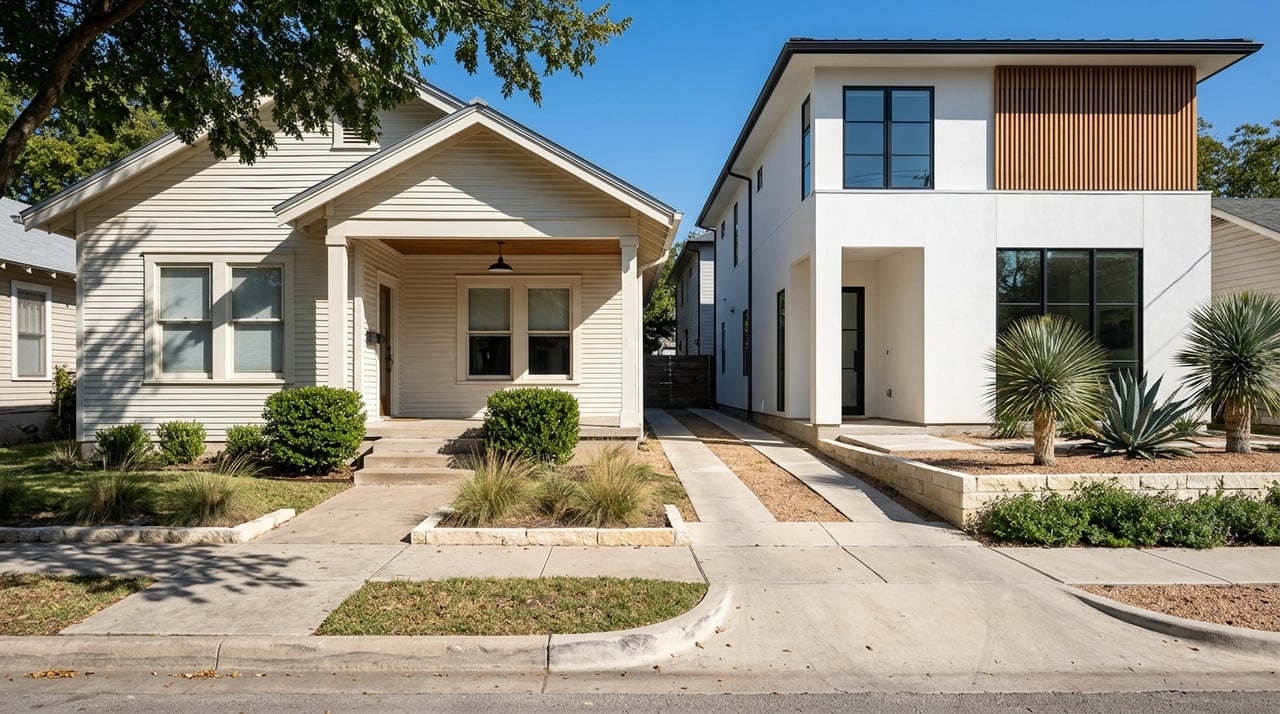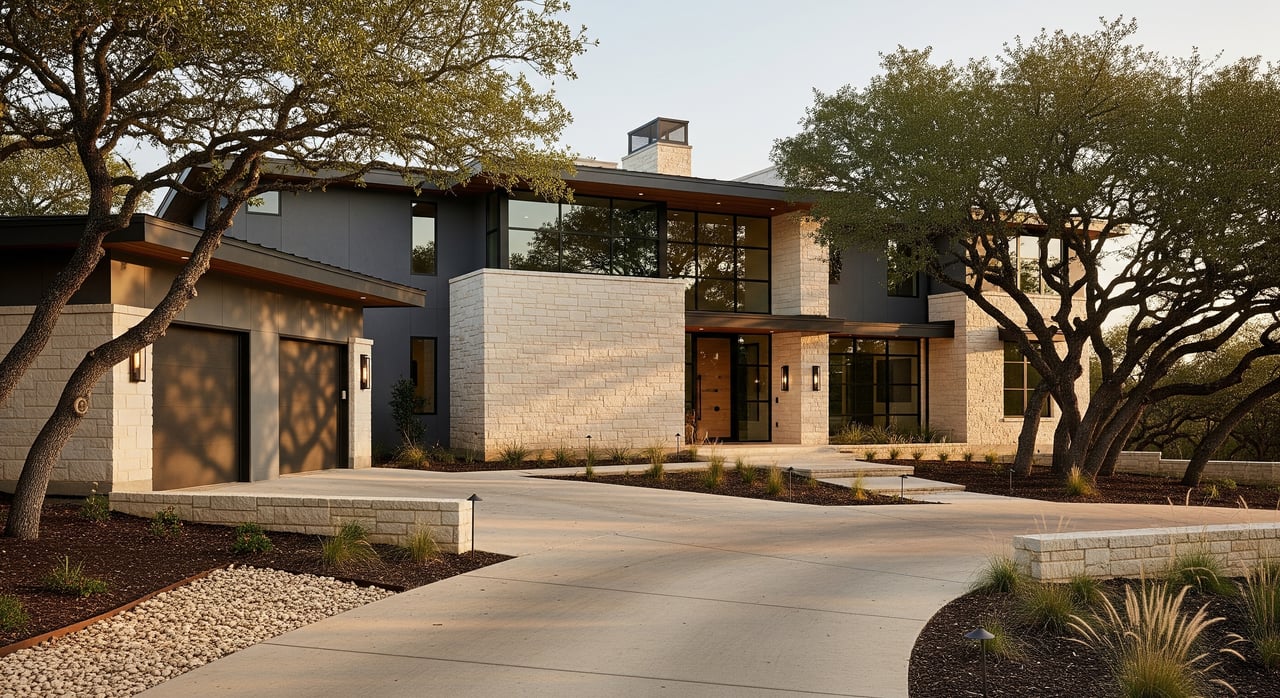
Should you buy a shiny new build or an established resale in South-West Austin’s 78735? If you are moving up, you want the right mix of comfort, timing, and long-term value. The choice can feel complex, especially with construction timelines, warranties, and local factors like HOAs and utilities in the mix. In this guide, you will learn how costs, timelines, protections, and neighborhood details compare so you can move forward with confidence. Let’s dive in.
Quick comparison: new vs resale
- New construction often carries a price premium for a new home and desirable lot, along with optional upgrades. Resales may cost less upfront but can require cash for renovations or deferred maintenance.
- New construction timelines can run several months or more, depending on build type. Resales typically close in about 30 to 60 days after contract acceptance.
- New homes usually include staged builder warranties. Resales rely on disclosures and negotiated repairs, unless a separate home warranty is purchased.
- Independent inspections are essential for both. With new construction, plan for pre-drywall and final inspections. With resales, inspection results are a key negotiation lever.
- Appreciation depends on lot quality, neighborhood maturity, builder reputation, and demand. Established areas often provide clearer comparable sales, while new subdivisions can take time to mature.
What drives total cost in 78735
New construction cost factors
New builds typically start with a base price, then add a lot premium and design upgrades like flooring, countertops, lighting, and landscaping. Some buyers also pay utility delivery or connection fees, plus impact and permit-related charges. Builders may offer incentives such as rate buydowns or credits. Property taxes often reset to market value at completion, which can increase the first full-year tax bill.
Resale cost factors
Resales may be priced lower than comparable new builds. Plan for immediate updates or repairs, such as HVAC replacements, roof work, windows, or kitchen and bath refreshes. You can negotiate seller concessions for repairs or closing costs. Balance your offer strategy with a realistic budget for the first 12 to 24 months of ownership.
Ongoing ownership costs
- Property taxes are set by the Travis Central Appraisal District. New construction often appraises higher upon completion. File applicable exemptions to reduce taxable value going forward.
- Insurance can be lower for new homes initially due to newer systems, but location and replacement cost still drive premiums.
- HOA dues are common in newer subdivisions and master-planned communities. Review budgets and CC&Rs for current fees and potential increases.
- Financing terms and interest rates affect the total cost for both paths. Compare builder-lender incentives with independent options.
Timelines: from contract to keys
New construction stages
- Lot selection and contract signing begin the process.
- Pre-construction includes permitting and site prep, which can take several weeks and vary with local backlogs.
- Foundation, framing, and rough-ins follow, then finishes and landscaping.
- Municipal inspections occur at key stages, and closing happens after the certificate of occupancy and lender funding.
- Total time can range from move-in ready spec homes that close quickly to several months for production builds. Custom projects can exceed a year.
Resale transaction timeline
- Once your offer is accepted, the option period for inspections is often 7 to 14 days.
- Appraisal and underwriting typically follow.
- Most conventional loans close in about 30 to 60 days, barring issues.
Common delays to anticipate
- New construction can be delayed by permitting, weather, and supply chains. Confirm how the contract handles missed dates and what remedies you have.
- Resales can slow down due to appraisal gaps, title issues, or financing changes. Work with your agent to plan buffers and milestones.
Warranties, risk, and inspections
New construction protections and inspections
Most builders provide staged warranties that commonly include one year for workmanship and materials, two years for systems like plumbing and electrical, and a longer limited structural warranty that often runs ten years. Read the written warranty for coverage limits and claim procedures. Municipal inspections focus on code compliance, so schedule your own pre-drywall inspection and a final inspection before closing. An 11-month warranty walkthrough can help capture items while the one-year coverage still applies.
Resale protections and inspections
For resales, buyer protection comes from seller disclosures, your independent inspections, and negotiated repairs or credits. A full home inspection is standard practice, plus a pest and termite report. Depending on the home, consider specialized inspections such as sewer scope, HVAC service review, foundation assessment, or pool inspection. Verify permit history for past renovations so you are not surprised by unpermitted work.
Negotiation leverage differences
Inspection results on resales are a powerful lever for price reductions, credits, or repairs before closing. With new construction, builder policies may restrict what they will address at closing, and cosmetic preferences are typically not negotiable. Major defects are usually covered by the warranty process after closing.
Local factors in South-West Austin 78735
City vs county and utilities
Properties in 78735 can fall inside the City of Austin or in unincorporated Travis County. Jurisdiction affects permitting, inspection authority, and utility providers. Confirm whether the home is served by Austin Energy and Austin Water or other providers, and factor in connection processes and rates for new builds.
Floodplain, slopes, and trees
South-West Austin includes creek corridors and sloped lots. New builds should account for grading plans and drainage. Mature trees are common and may influence design, landscaping costs, and storm risk. For either new or resale, review floodplain information and ask for relevant site or survey documents.
Septic vs sewer
Some pockets may use septic systems or require utility extensions. Confirm availability of sewer and water with seller or builder disclosures and local records. Factor in maintenance obligations if a property is on septic.
Commute and road access
Arterials like Highway 290 and William Cannon provide access to employment centers and retail. Traffic patterns and any planned road work can affect daily convenience and long-term desirability. Weigh these along with your lifestyle needs.
Builder and neighborhood landscape
78735 includes national production builders and local custom builders. Reputation, finish quality, and warranty responsiveness vary by company. Many newer communities have mandatory HOAs that set standards for landscaping, exterior modifications, and rentals. Review CC&Rs, dues, and the community’s amenity plans.
Which path fits your move-up goals
Choose new construction if you want
- A modern layout and systems with minimal near-term maintenance
- The ability to select finishes and upgrades before move-in
- A builder warranty that covers workmanship, systems, and structure
- A timeline that can extend for months and is less sensitive to seller occupancy
Key considerations:
- Confirm the full price, including lot premium and design upgrades.
- Ask for a written completion timeline and what happens if dates slip.
- Plan for a higher initial tax appraisal upon completion.
- Budget for window coverings, landscaping beyond the builder package, and possible connection fees.
Choose resale if you want
- Faster possession once you are under contract
- Established neighborhood character and mature landscaping
- More data points for comparable sales and pricing confidence
- The potential to add value through targeted renovations
Key considerations:
- Budget for near-term upgrades like roof, HVAC, or cosmetic updates.
- Use inspections and permit history to validate condition.
- Structure offers that account for capital improvements.
- Review HOA rules, rental policies, and assessments if applicable.
Builder and HOA due diligence
Builder checklist
- Obtain the full written warranty and claim procedures, including transferability.
- Review the builder contract for milestones, completion definitions, and remedies if dates are missed.
- Ask for references from recent local clients and tour completed homes.
- Request a list of subcontractors for major systems such as HVAC and roofing.
- Review the community plat, grading, and stormwater plans.
- Confirm the certificate of occupancy process and anticipated timing.
- Get any lender incentive details in writing and compare with outside lenders.
HOA and CC&R checklist
- Read Articles, Bylaws, and current CC&Rs in full.
- Review the current budget, reserve study, and recent meeting minutes.
- Check rules on rentals, short-term rentals, exterior changes, fences, and landscaping.
- Understand the transition plan from developer to homeowner control.
- Ask about any special assessments, litigation, or pending capital projects.
- Save contact information for the HOA management company and note assessment history.
Your decision playbook
Clarify your move-in timing. If you need keys soon, resale may fit. If you can wait and want customization, new construction has an edge.
Model your five-year total cost. Add purchase price to planned upgrades or renovations. Include taxes, insurance, HOA dues, and maintenance.
Stress test the timeline. For new builds, confirm how weather and supply delays are handled. For resales, plan for appraisal and financing buffers.
Protect yourself with inspections. New builds need pre-drywall, final, and an 11-month walkthrough. Resales need full inspections and permit checks.
Think resale from day one. Lot quality, builder reputation, neighborhood maturity, and CCR rules all influence your exit value.
Next steps
Whether you lean new construction or resale in 78735, the right plan protects your time and your investment. A negotiation-led strategy, clear inspection roadmap, and careful review of warranties, taxes, and HOA rules will help you buy with confidence. If you want a local, data-informed partner to map options, compare communities, and negotiate the right terms, connect with Walker Residential Group.
FAQs
Are new homes a better long-term value in 78735?
- Not automatically. Value depends on lot quality, community maturity, and demand. New homes reduce near-term maintenance but may carry a price premium.
Do city inspections replace a private inspection on new builds?
- No. Municipal inspectors verify code compliance at set stages, while independent inspectors evaluate overall workmanship and items beyond code scope.
How fast can I close on a resale in South-West Austin?
- Many resales close in about 30 to 60 days after contract acceptance, depending on inspection findings, appraisal, and lender underwriting.
Should I use a builder’s preferred lender for a new home?
- Builder lenders may offer incentives, but you should compare total costs, rate-lock timing, and conditions against outside lenders before deciding.
How do HOAs impact buyers in newer 78735 communities?
- HOAs set standards for exteriors, landscaping, and rentals, and they collect dues for amenities. Review CC&Rs, budgets, and assessment history before you buy.